
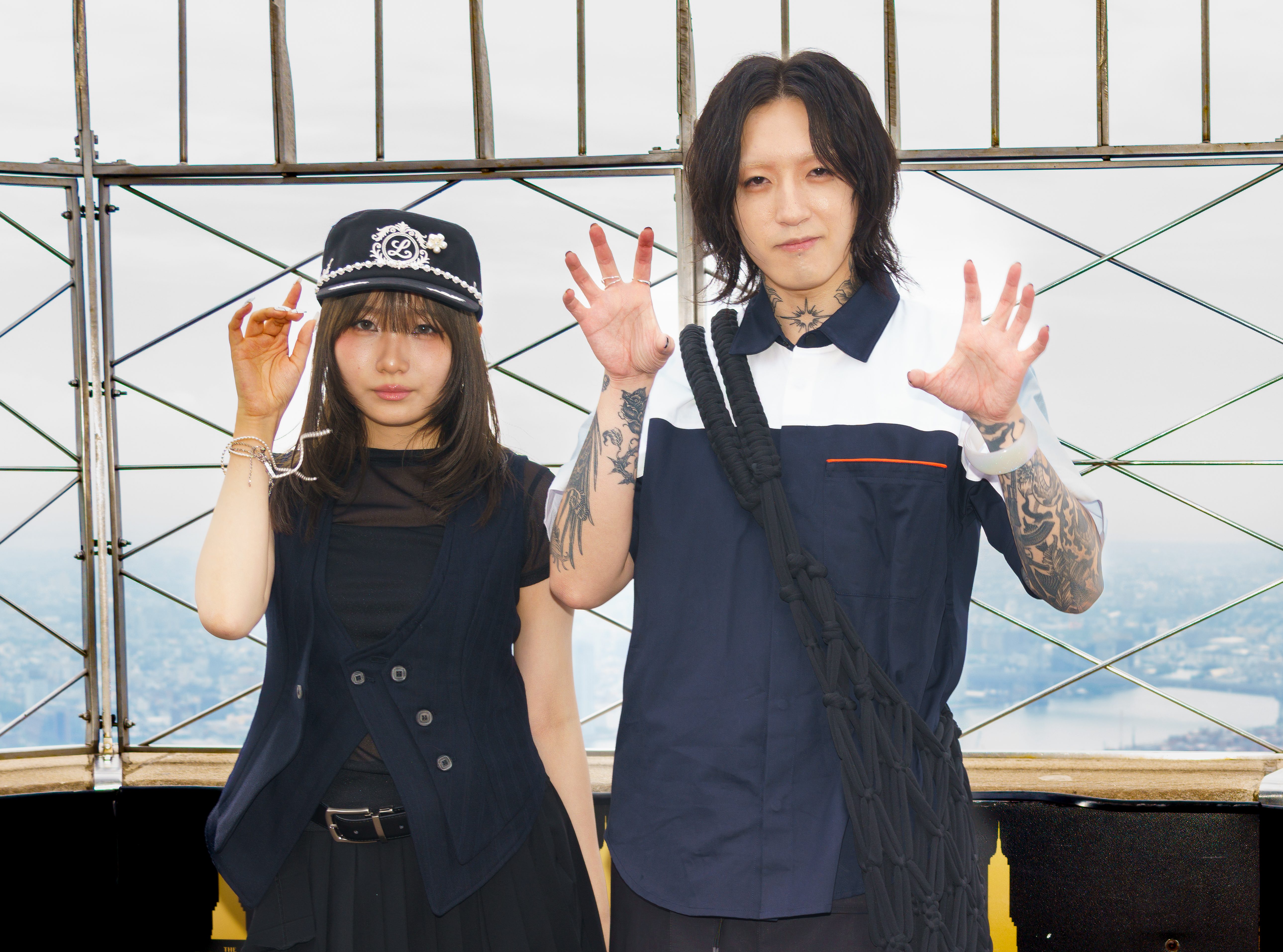

Photo: Colleen Sturtevant / Wikimedia Commons, CC BY-SA 4.0
House lights abruptly turned off at TD Garden on August 4th, and stage lights fired up. After glitching, pages turned on the stage, marking the countdown to YOASOBI’s arrival. From that moment, the night immersed everyone into their stories.
Their journey began as a digital experiment in turning novels into music. Singer-songwriter Ikura and producer Ayase built the project around the slogan “novel into music.” YOASOBI had originally planned to record a few songs as a trial run before seeing where the project would go. Their trajectory soon changed after the release of their debut single “Yoru ni Kakeru,” which topped Billboard Japan’s Hot 100 as the number-one song in 2020 and became the first-ever non-CD (physical) release to top the end-of-year chart.
Now, in front of their fans in Boston, their opening song “Idol” fires up after a snare roll and screams emerge from all around the room for the first few seconds. Concert-goers wave their hands and lightsticks to the beat as the song progresses, raising their fists and clapping when met with crowd banter from singer Ikura. Those familiar with the song accompany the screams that the song features in the original production.
All throughout the show, fans cheered and sang along while following pauses and breakdowns of silence perfectly as if they were part of the performance as well. Around the venue, a handful of attendees showed off their cosplays and costumes that reflected YOASOBI’s multimedia identity.
The storytelling identity of their music shined throughout the entire show through the sound and visuals of each song, where feelings and stories were powerfully conveyed. From the instrumentation changing from chaos to calm, the production featured illustrations and color changes that reflected the mood and feeling. The screens behind the performers and on the sides of the stages incorporated visual effects with live cameras and anime-inspired animations, adding narrative imagery that eased seamless transitions between tracks, making each change feel like a continuation of the next story.
Contrasts between the calm and explosive moments stood out when performed on-stage, where in one moment a tune would feature more static lighting that filled up the room and acoustic sounds would settle the crowd down to quickly meet the next song that let out a chaotic, electrifying sound with fast-paced drum fills, flickering lights, and lasers that pierced the walls of the venue.
Ikura’s vocals blended perfectly with the live adaptation of the music, with Ayase’s productions thoughtfully crafted to keep the songs captivating and personalized for each story being told. Live, the songs come to life with undeniably active stage presence as Ikura moved around the stage interacting with fans, meanwhile Ayase in the back would kick the air, stomp his feet at the beat, and dance with energy.
YOASOBI’s performance revealed that their greatest strength was not quite performing songs or telling stories. It was turning digital stories into an immersive and live experience that blended digital and physical worlds, using animation and production to make the audience feel like part of the story being told right in front of them.


